Red for aging, blue for breakouts — but the full picture is more nuanced. Here is how to match the right color to your skin goals.
Red and blue light sit at opposite ends of the visible spectrum and serve very different purposes. Choosing the right one — or the right combination — starts with knowing your primary skin concern.
Blue light (around 415nm)
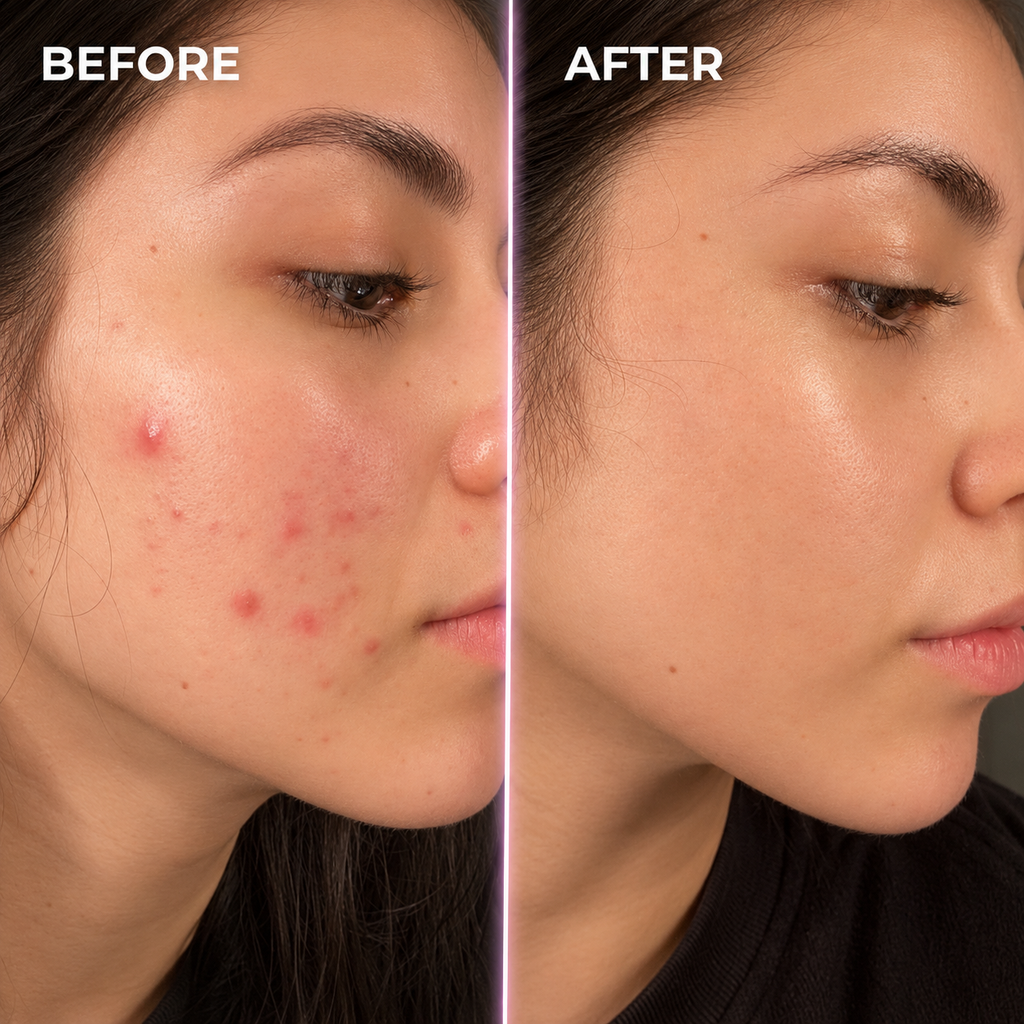
Blue light targets the bacteria associated with acne. It sits on the skin's surface and helps reduce breakout-causing microbes, making it a favorite for oily and blemish-prone skin.
Red light (around 633nm)
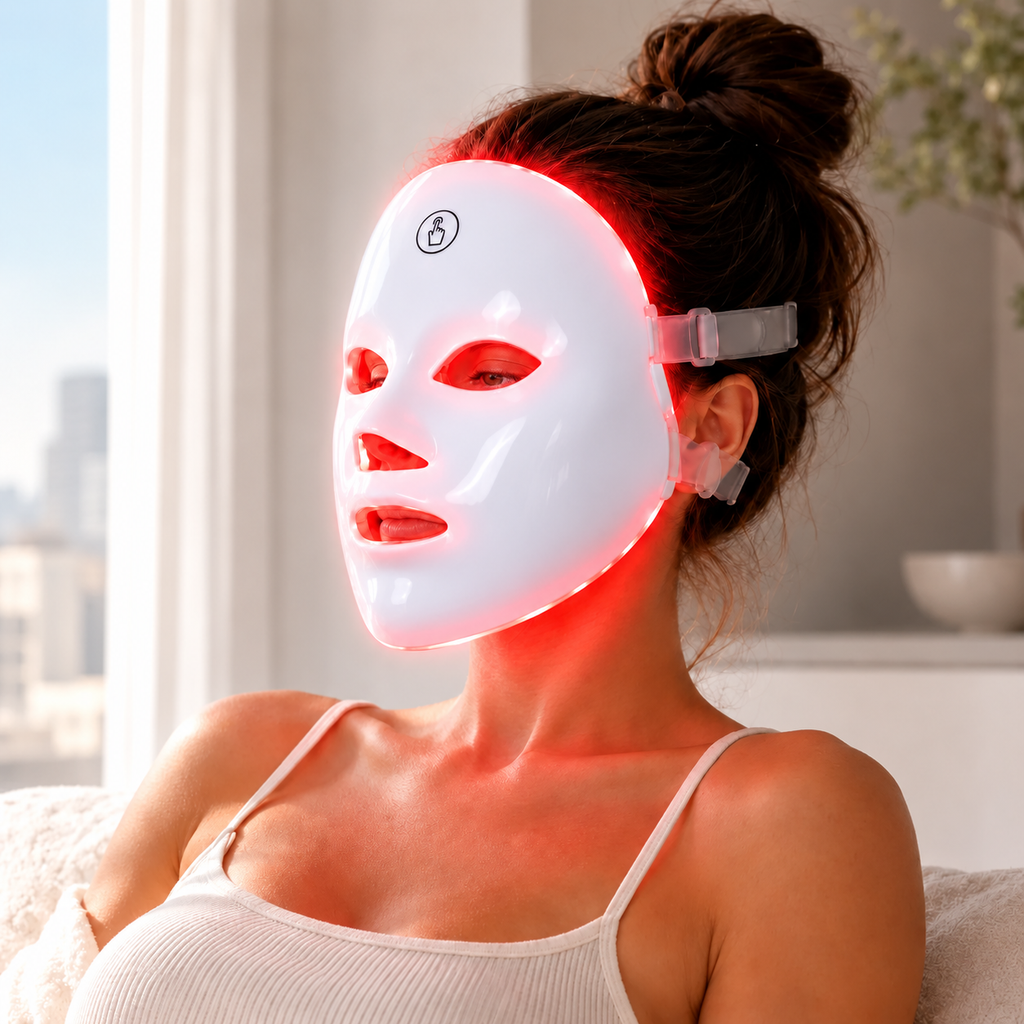
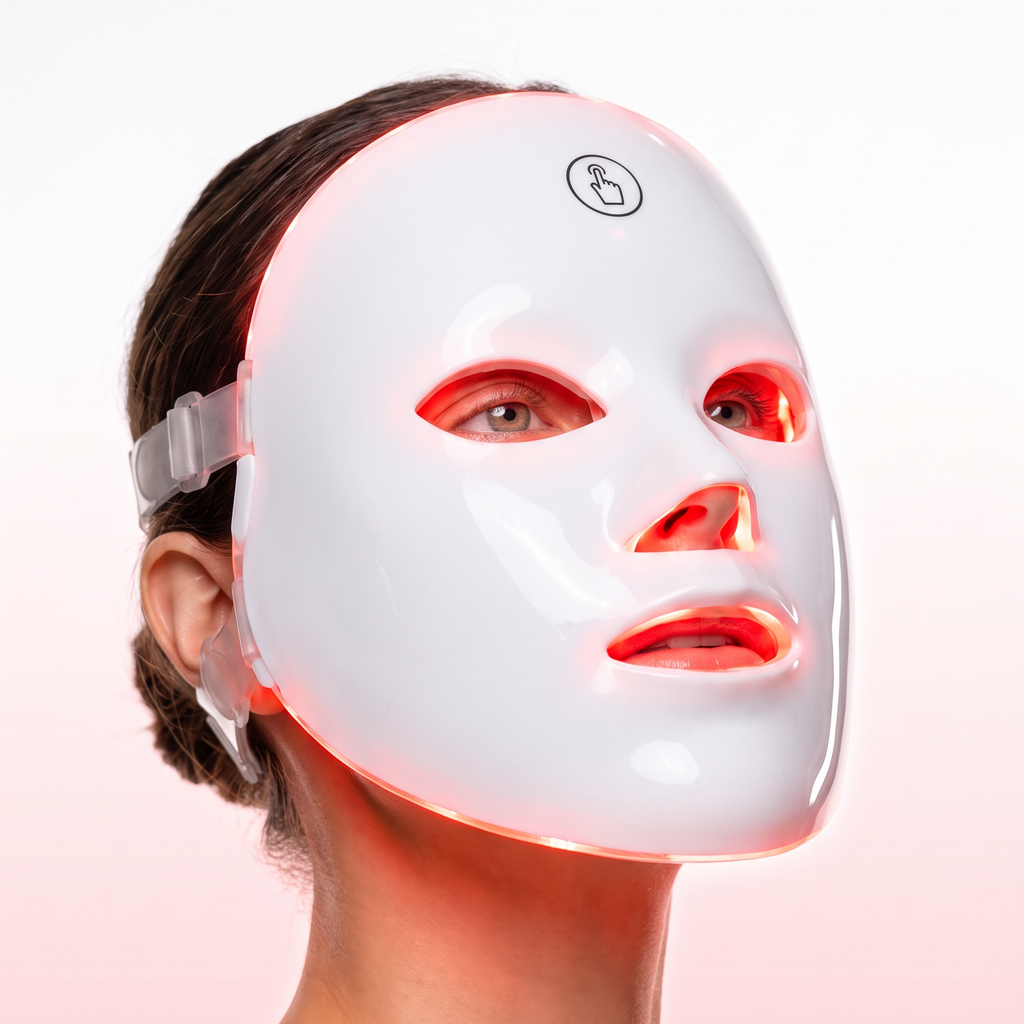
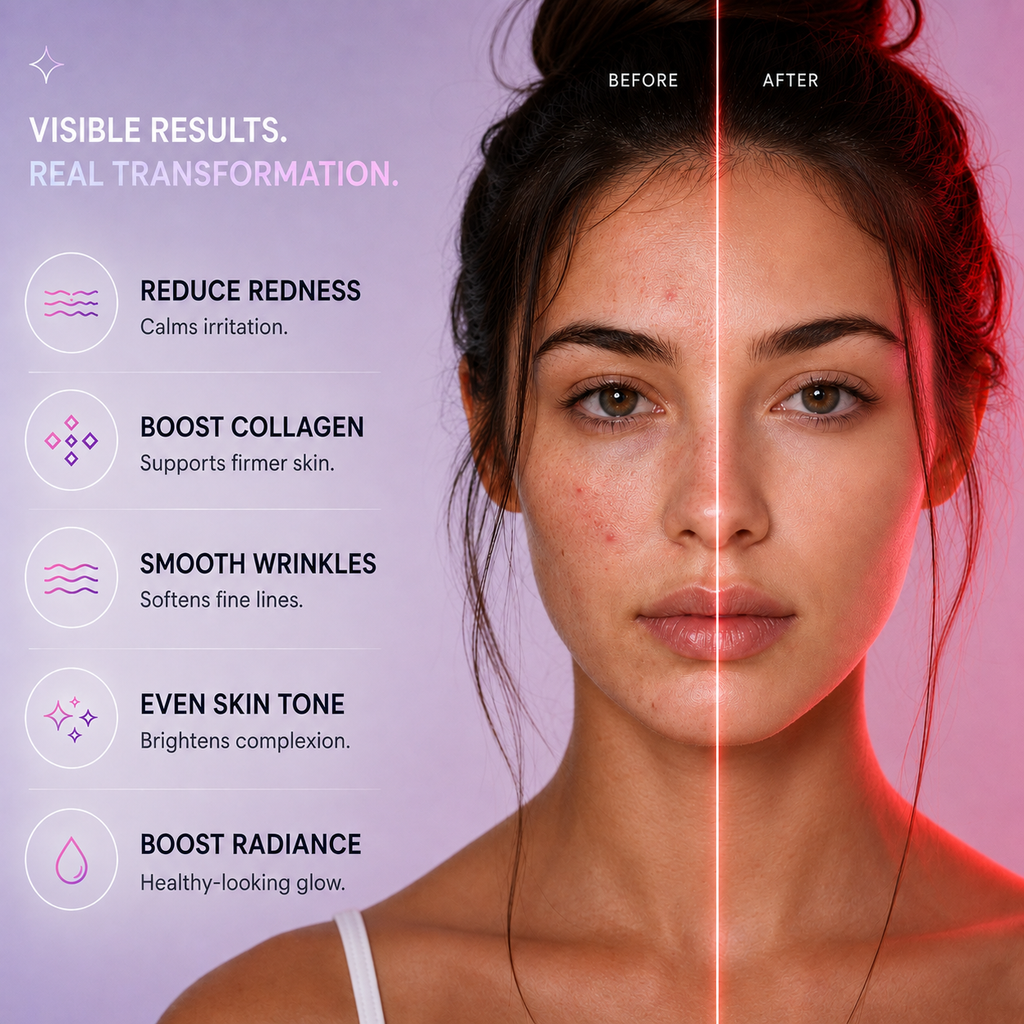
Red light penetrates deeper and focuses on collagen production, inflammation, and overall rejuvenation. It is the go-to for aging concerns, redness, and dull tone.
When to combine them
Many people benefit from both: blue to manage active breakouts and red to heal, calm, and rebuild. The key is using clinically meaningful wavelengths rather than a novelty rainbow of colors with thin evidence.
Our recommendation
For most anti-aging and skin-health goals, red and near-infrared light deliver the broadest, best-supported benefits — which is exactly why FlowLux is built around them.
VC-Backed • Built by 4 Dermatologists
Ready to start your glow up?
Experience the first AI-enhanced red light therapy mask — clinical-grade results, an affordable $115.
Shop the Mask